
The evolution of casinos tracing the journey from ancient games to modern gaming hubs
Origins of Gambling in Ancient Civilizations
The roots of gambling can be traced back thousands of years to ancient civilizations such as the Chinese, Egyptians, and Romans. Evidence of games of chance has been found in archaeological sites, revealing that these early cultures engaged in betting as a form of entertainment and social activity. The Chinese, for instance, utilized rudimentary forms of gambling, such as dice games, which served both recreational and cultural purposes. Today, many people enjoy playing at canada online casinos, which highlights the enduring appeal of such activities.

In ancient Rome, gambling was a popular pastime among the elite and was often linked to social gatherings. The Romans developed various games that involved betting, including the use of dice and early forms of card games. These activities highlighted the intersection of chance and skill, a concept that continues to play a significant role in modern gaming.
The Middle Ages and the Birth of Gambling Houses
The Middle Ages witnessed a shift in gambling culture, particularly in Europe. As the church began to impose stricter regulations on gambling, illicit games sprang up in hidden venues. It was during this time that the first official gambling houses began to emerge. These establishments provided a legal space for gaming, catering to a growing demand among the public.
In the late medieval period, the invention of the printing press facilitated the spread of gaming rules and strategies, making card games more accessible. This era also saw the development of games such as roulette and baccarat, which would later become staples in modern casinos. The transformation of gambling from clandestine activities to recognized venues set the stage for the establishment of more formal gaming institutions.
The Rise of Modern Casinos in the 19th Century
The 19th century marked a significant turning point in the evolution of casinos, particularly with the establishment of dedicated casino resorts. The Casino di Venezia, founded in 1638, is often regarded as the world’s oldest gaming house, but it was in cities like Monte Carlo that the modern casino concept truly flourished. These glamorous venues combined luxury with gaming, attracting the elite and creating a new culture around gambling.
The introduction of slot machines in the late 1800s added an exciting dimension to casinos, making gaming more accessible to the masses. The combination of elegance and entertainment in these establishments not only enhanced the gaming experience but also solidified casinos as key social hubs in popular culture.
The Digital Age and Online Gaming Evolution
The advent of the internet revolutionized the casino landscape, ushering in the era of online gaming. The first online casinos emerged in the mid-1990s, offering players the convenience of playing from home. This shift not only changed how games were accessed but also how they were designed, leading to innovations such as live dealer games and virtual reality gaming.
Online casinos quickly gained popularity, providing a platform for a diverse range of games. They catered to players who sought the thrill of gambling without the need to visit a physical location. The integration of mobile technology further propelled this trend, allowing users to gamble anywhere, anytime, thereby expanding the global reach of the gaming industry.
Understanding Modern Gaming Hubs
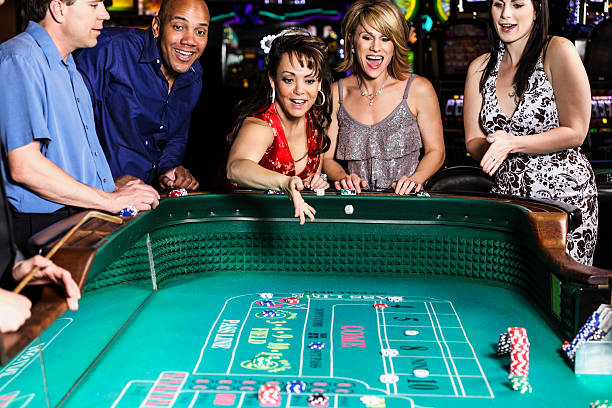
Today’s casinos have evolved into multifaceted entertainment hubs, offering much more than just gaming. They feature luxurious accommodations, world-class dining, and live entertainment, creating a comprehensive experience for visitors. The design and architecture of modern casinos reflect a commitment to creating an immersive environment that engages all senses, from lavish interiors to sophisticated lighting.
As the gaming industry continues to grow, casinos also focus on integrating technology to enhance customer experience. Innovations such as cashless gaming and personalized services are becoming commonplace, ensuring that casinos remain relevant in an ever-evolving market. This emphasis on customer experience underscores the cultural significance of casinos as entertainment destinations in contemporary society.