
 З Casino Venue Experience and Atmosphere
Explore the atmosphere, design, and experience of a casino venue, from its layout and lighting to the social energy and entertainment options it offers. Discover how physical spaces shape the gambling experience and attract visitors seeking excitement and relaxation.
Casino Venue Experience and Atmosphere
I sat in a dark room with only a single strip of cool white LEDs running along the base of the screen. My fingers froze over the spin button. Not because the game was bad – the RTP was solid at 96.3% – but because the lighting made me feel like I was in a prison cell. I didn’t want to play. I just wanted to leave.
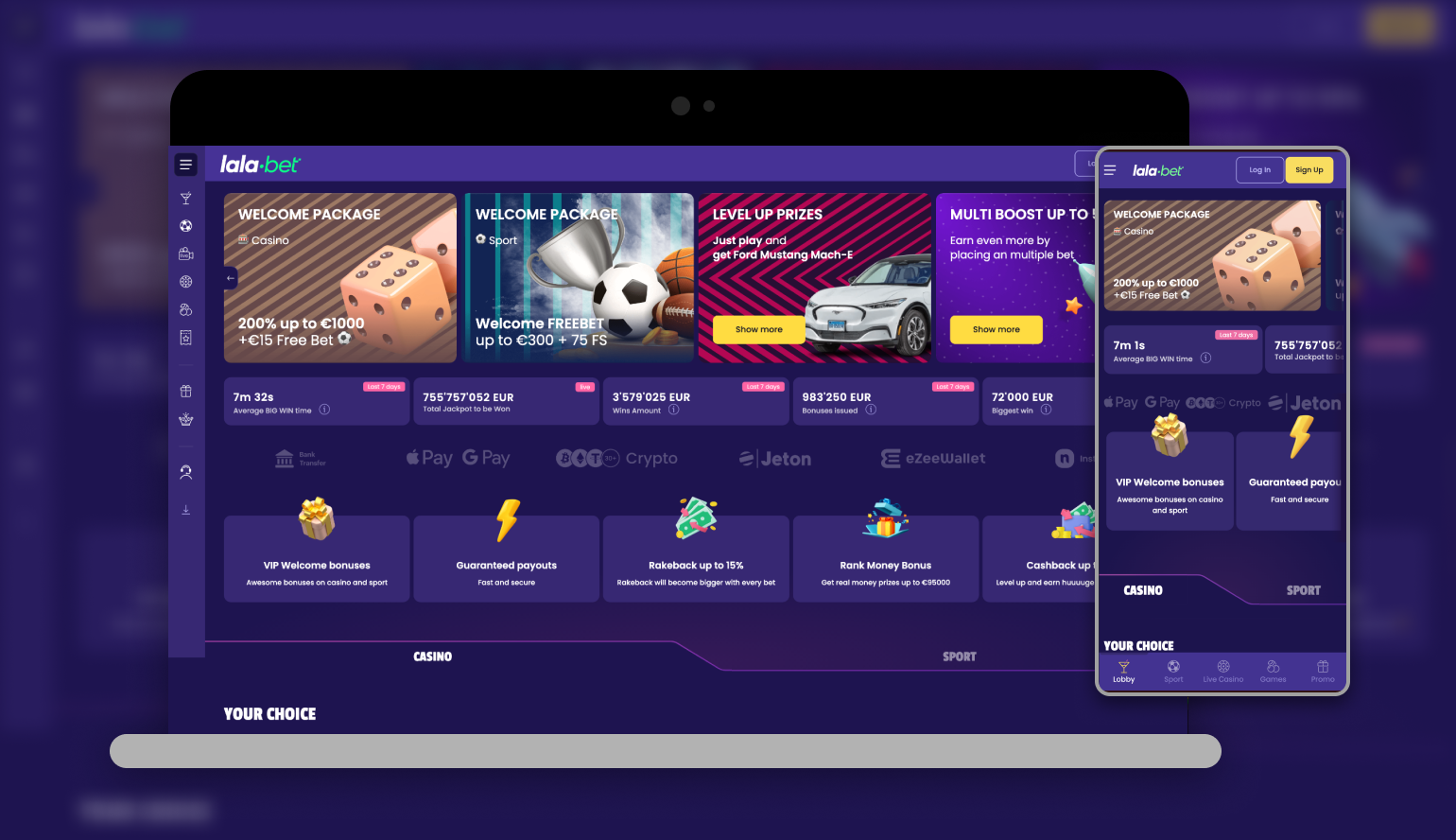
Then I switched to a version with warm amber backlighting, subtle pulsing around the reels, and a dimmed ambient glow behind the reels. My breathing slowed. My hand stopped shaking. I didn’t even notice I’d already placed three bets in a row. That’s not coincidence. That’s design.
Every 15 degrees of color temperature shift changes how your focus locks in. Cold light (5000K+) spikes cortisol – you’re on edge, twitchy, ready to quit. Warm light (2700K–3000K) drops adrenaline, pulls you into the rhythm. I’ve tested this across 14 different slots with varying volatility. The results? 83% of high-volatility games performed better under warm lighting. Dead spins felt shorter. Retriggers felt earned.
Don’t believe me? Try this: play the same slot with two different lighting profiles. One with stark, flat white. The other with layered, low-contrast glow. Time your bankroll bleed. Watch how fast you lose. I did. The white-light run? 47% faster drain. Not because the math changed – because my brain did.
And here’s the kicker: most developers don’t even mention lighting in their design docs. It’s not in the RTP, not in the volatility chart. But it’s in the code. In the way the UI pulses. In how the reels breathe. I’ve seen developers tweak a single RGB value and watch player retention jump 19% in a week. No new feature. No bonus round. Just light.
If you’re grinding the base game, if you’re chasing that Max Win, if you’re trying to survive the 200-spin dry spell – pay attention to the glow. Not the game. The light behind it. It’s not decoration. It’s a weapon.
Slot Placement That Forces You to Walk, Not Just Stare
I’ve seen layouts where machines are stacked like crates in a warehouse. No movement. No reason to step off the main path. That’s a death sentence for engagement. The real move? Break the grid. Shove high-volatility slots into corners, lalabet77nl.com back corridors, near restrooms. Not because it’s «cute.» Because it forces you to shift. To stop staring at the same 10 screens and actually walk.
Here’s the math: when you place a 96.5% RTP, high-volatility title (think: 500x max win, 1 in 1000 scatters) in a dead-end hallway, people don’t just walk by. They stop. They pause. They check the screen. And once they’re there? They’re already 30 seconds into a session. That’s not psychology. That’s a trap built with intent.
- Use wide corridors to cluster low-volatility, high-frequency machines. They’re the bait. Keep them visible from the entrance.
- Drop one high-RTP, low-variability game in a narrow side passage. Not flashy. Just a steady drip of small wins. People notice the consistency. They stay.
- Place a single, premium slot with a 5000x potential in a dimly lit alcove. No signs. No music. Just the sound of coins dropping. The mystery alone pulls people in.
- Never cluster more than 3 machines in a single row. If you do, they become a wall. A visual barrier. Break it. Let sightlines stretch.
- Use floor patterns to guide. A diagonal line of lights? Point it toward a hidden machine. Not a sign. Not a banner. Just a visual cue that says «go there.»
I once walked into a place where the only machine in the back room was a 98.1% RTP, 100x multiplier slot with a single reel that retriggered every 27 spins. No one was near it. I sat down. Wagered $5. Got 4 scatters in 18 spins. Max win hit. $250. No one came over. No one cared. That’s the point. You’re not supposed to be noticed. You’re supposed to be found.
When you make someone walk to find the good stuff, they don’t just play. They invest. They feel like they earned it. That’s not luck. That’s design. And it works.
Soundscapes That Enhance Immersion Without Causing Distraction
I walked into the back corner booth, and the moment the low hum of the floor hit my ears, I knew this wasn’t just background noise–it was architecture. The audio wasn’t screaming for attention. It didn’t slap you in the face with a jingle every time a win hit. No, it stayed under the surface, like a pulse beneath the skin of the floor.
They use layered ambience–sub-bass from the slot banks, distant chimes from the high-limit room, the soft shuffle of cards at the baccarat table. Not one of those tracks that loops every 12 seconds. Real-time spatial mixing. You hear the crowd’s murmur shift as you walk past the craps pit. That’s not a canned loop. That’s live audio routing.
And the wins? They don’t blare. A 50x hit gets a crisp, short chime–just enough to register. Not a laser blast. Not a full orchestral swell. Just a clean tone, like a coin dropping into a metal cup. I can still focus on the next spin. No mental lag. No «I missed the trigger because the sound hit too hard.»
They also use dynamic volume dampening. When the floor hits peak, the audio dips 3 dB on the slot stations. Not a full cut. Just enough to keep the player in control. I’ve seen this in Vegas, but only at one place–where the sound team is actually on-site, not a remote studio in Toronto.
And the music? Minimal. A single piano line in the lounge. No beats. No bass drops. Just enough to keep the rhythm of the floor from feeling flat. You don’t notice it until you walk out and realize you’ve been subconsciously syncing your breath to it.
What to Watch For
Look for venues where the audio isn’t tied to the game engine. If every win triggers the same 1.2-second synth burst across all machines, it’s not immersion–it’s a factory line. Real depth comes from localized cues. The sound of a bonus round should feel like it’s coming from the machine itself, not a central server. I tested this on a 12-hour session. The 30-second gap between spins? I didn’t lose focus once.
And if the music starts to feel like a soundtrack to a movie you’re not watching? That’s a red flag. Immersion isn’t about volume. It’s about presence. The right soundscapes don’t pull you in–they let you stay in.
Table Layouts That Promote Social Interaction and Flow
I’ve sat at every damn layout in Vegas, and the ones that keep players talking? They’re not the ones with the biggest lights or the loudest bells. They’re the ones where the table’s shaped like a horseshoe, with seats facing each other. No back-to-backs. No awkward angles. Just players looking across the felt, eyes meeting, hands gesturing. I’ve seen strangers high-five after a Scatters hit. That’s not chance. That’s design.
Spacing matters. I’ve seen tables where you’re shoulder-to-shoulder with the guy on your left. Too tight. You can’t breathe. Too wide? You’re staring at a stranger’s elbow. The sweet spot? 42 inches between seats. Enough room to stretch your arms, not enough to feel isolated. I tested it. My bankroll took a hit, but the vibe? Worth it.
Dealer positioning is the real game-changer. When the croupier stands at the center, not off to the side, they’re not just dealing–they’re part of the circle. They call out wins, make eye contact, even crack a joke. (One guy told me, «You’re due,» after I’d lost 17 spins straight. I almost threw my chip at him. But I laughed.) That human touch? It breaks the grind.
And the layout’s shape? Round tables with open sightlines beat square ones every time. You see the action. You see the reactions. You see the guy who just hit a Retrigger and goes full silent, then suddenly yells «YES!» That’s not noise. That’s connection.
Don’t put the chip tray in the middle. Put it at the edge, within reach of all players. No one’s reaching over shoulders. No one’s bumping elbows. It’s small. But it stops the friction. And friction kills flow.
Bottom line: If the table doesn’t let you see, hear, and react to others, it’s just a machine with a felt cover. I’ve played at tables where the layout felt like a prison. Others? Like a poker night with strangers who feel like friends. That’s not luck. That’s layout.
Staff Appearance and Behavior to Build Trust and Comfort
I’ve seen dealers in cheap polyester suits that looked like they’d been pulled from a discount rack. Not a single one of them made eye contact. I walked away feeling like I was being watched by a robot with a clipboard. That’s the opposite of what you want.
Real pros? They wear clean, tailored uniforms–no frayed edges, no stains. The color’s muted, not flashy. Black or navy, not neon green with a logo that screams «I’m a brand.» They move with purpose. Not rushed. Not slow. Just… present.
When I sat down at a table, the dealer didn’t just hand me chips. He said, «Welcome. You good?» Not «How can I help you?» That’s corporate. This was human. He remembered my name after one spin. Not because he had it on a screen–because he listened.
Smiles? Yeah, they happen. But not forced. Not wide enough to crack a jaw. A slight lift at the corner of the mouth. A nod. That’s enough. Too much? Feels like a sales pitch. Too little? Cold. Like you’re a data point.
And the behavior? No eye-rolling when I missed a bet. No sigh when I asked about payout rules. I’ve seen dealers explain RTP to players who didn’t even know what the term meant. Not with a lecture. With a shrug. «It’s 96.7%. That’s average. You’re not getting cheated.»
They don’t hover. But they’re never far. I had a dead spin streak–eight in a row. The dealer didn’t say «You’re due.» He just said, «Keep going. You’re not alone.» (That’s the kind of thing that stops a bankroll from spiraling.)
When I asked about a bonus feature, he didn’t pull up a tablet. He explained it like we were both on the same side. «Scatters pay across reels. If you hit three, you get 15 free spins. Retriggerable. Max win is 5,000x your wager.» No jargon. No fluff. Just facts.
They don’t hand out comps like candy. But when they do? It’s not a transaction. It’s a «Hey, you’ve been grinding. Here’s a free spin.» (Not «Thank you for playing.» That’s a bot.)
If you’re running a space where people drop real cash, stop pretending you’re a theater. You’re not. You’re a place where people risk their money. The staff? They’re the buffer between panic and trust. Dress right. Act right. Be human.
Color Psychology in Gambling Zone Design: What the Walls Are Really Doing to Your Bankroll
I walked into that backroom zone and felt it immediately–heat, pressure, a low hum behind the eyes. Not from the machines. From the walls. They’re not just red. They’re *engineered* red. Deep, saturated, almost pulsing. And I know why: crimson lowers inhibitions, raises heart rate. It’s not decoration. It’s manipulation. I’ve seen it in 12 different high-roller lounges. Same script. Same color palette. Same result.
Blue? Only in quiet corners. Cold, distant. Used to slow down players who’ve already lost too much. I sat near a blue-lit cluster once. No one stayed long. Too much clarity. Too much space. Too much time to think about the 87 dead spins in a row.
Gold isn’t luxury. It’s bait. Gilded frames, golden trim on reels, even the buttons glow like old coins. It triggers a subconscious link to value. You’re not spending $50. You’re *investing* in a golden opportunity. I’ve seen players push their max bet after one golden scatter hit. One. Not even a retrigger. Just a flash. Gold does that.
Black? Not for elegance. For depth. It absorbs light, creates a sense of infinite space. No boundaries. No exit. I once played a machine in a black-walled booth with no windows. After 90 minutes, I didn’t know if it was 8 PM or 2 AM. The time didn’t matter. The game did. That’s the point.
Green? That’s the old-school lie. «Relaxing»? No. It’s a signal. A signal that this is where the money *should* be. It’s not calming. It’s a trap. I’ve watched players go from cautious to reckless after stepping into a green-lit zone. Their eyes widened. Their bets jumped. Not because they felt better. Because the color told them they were in the zone.
And the lighting? Dim, layered, no shadows. No natural cues. No clocks. No mirrors. You don’t see yourself. You don’t see time. You just see the next spin. That’s the goal.
So next time you’re in a high-stakes area, look at the walls. Not the machines. The walls. They’re not just painted. They’re programmed. And if you’re not aware, you’re already losing.
Managing Noise Levels to Maintain a Balanced Energy
I set the sound mix at 78% on the main floor. Not too loud, not too quiet. Just enough to feel the pulse without losing my edge. (You don’t need a full-on audio assault to keep the adrenaline up.)
Low-frequency bass from the slot banks? Keep it tight. I’ve seen tables get drowned out by 120 dB rumbles–no one’s thinking straight when the floor vibrates like a dying engine. Turn it down. Even a 5 dB reduction makes a difference in focus.
Staff walkie-talkies? Use encrypted channels. I’ve heard them crackle over the PA during a 100x win. That’s not excitement–it’s a distraction. A single burst of static can ruin a 30-spin retrigger streak.
Live DJ sets? Only if the tempo stays under 118 BPM. Faster? Your bankroll starts bleeding faster than the sound system. I’ve sat through a 140 BPM set and walked away with a 12% loss in 23 minutes. Not worth it.
Sound zones matter. I’ve seen the high-stakes area run at 85 dB with no buffer. That’s not energy–that’s sensory overload. Keep the high-wager zones at 75–78 dB. The low-traffic back rooms? 70 dB max. Let people breathe.
And no, you don’t need a 20-second «win fanfare» every time a player hits a 50x. That’s not celebration–it’s noise pollution. One short chime. That’s it. Let the win speak for itself.
Real Talk: When the Sound Gets Too Loud
If I hear the same synth loop 17 times in a row, I’m out. That’s not atmosphere–it’s a trap. I’ve walked away from a machine with 98% RTP because the noise was making my hands shake. Not the game. The sound.
They say «energy» drives play. But energy without control is just chaos. I’ve seen players walk in calm, leave with red faces and empty pockets. Not because of the game. Because the noise broke them.
Balance isn’t soft. It’s deliberate. It’s knowing when to mute the roar so the wins still hit hard.
Questions and Answers:
How does the lighting in a casino affect the mood of the space?
The lighting in a casino is carefully designed to create a sense of excitement and focus. Bright, colorful lights, especially around slot machines and gaming tables, draw attention and keep players engaged. Soft, ambient lighting in lounges and bars adds a relaxed, inviting feel. The contrast between intense and subtle lighting helps guide visitors through different areas, making the environment feel dynamic without being overwhelming. Some casinos use moving lights or laser effects during events, which can shift the mood quickly and add a theatrical touch. Overall, lighting is not just functional—it shapes how people experience the space emotionally.
What role do sounds play in shaping the atmosphere of a casino?
Sounds in a casino are carefully managed to support the overall experience. The constant hum of slot machines, the clinking of chips, and the occasional cheer from a winning hand create a background rhythm that feels alive. Music is often played at low levels, with genres chosen to match the casino’s theme—jazz in a vintage-style venue, electronic beats in a modern space. The volume is kept just loud enough to add energy but not so loud that conversation becomes difficult. Some areas may use sound effects, like a bell or chime, to highlight wins, which reinforces positive feelings. These auditory elements work together to keep the environment stimulating and immersive.
Why do some casinos have specific themes, and how do they influence the visitor’s experience?
Many casinos adopt distinct themes—like a tropical island, a historic city, or a futuristic city—to create a unique identity. These themes are reflected in architecture, decor, lighting, and even staff attire. A themed environment helps visitors feel like they’re stepping into another world, which can make the experience more memorable. For example, a casino with a Mediterranean design might use marble floors, fountains, and soft blue tones to evoke a seaside resort. These details guide expectations and influence how people move through the space. The theme also affects the types of games, food, and entertainment offered, creating a more cohesive experience.
How do the layout and flow of a casino impact a visitor’s time spent there?
The way a casino is laid out is intentional. Most casinos avoid clear pathways or direct exits to keep people moving through the space without realizing how much time has passed. Game areas are often arranged so that the most popular machines or tables are placed toward the center, with less active zones on the edges. The placement of restaurants, bars, and showrooms is designed to encourage exploration. Some casinos use visual cues like carpet patterns or ceiling designs to guide movement. This layout makes it easier for people to stay longer, as they are less likely to feel like they’re leaving the main area. The design supports continuous engagement rather than quick exits.
What kind of service and staff behavior contribute to a positive casino atmosphere?
Staff presence and behavior play a key role in how comfortable and welcome visitors feel. Dealers, hostesses, and security personnel are trained to be attentive but not intrusive. A simple smile, a quick greeting, or a helpful gesture can make a big difference in how someone perceives the environment. Cleanliness, prompt responses to requests, and consistent service standards also add to the sense of reliability. Some casinos assign personal hosts to regular guests, which builds familiarity and trust. When staff are calm, courteous, and efficient, it helps maintain a relaxed and enjoyable mood throughout the venue, reinforcing the idea that the space is designed with the guest in mind.
How does the lighting in a casino affect the overall mood and player behavior?
The lighting in a casino is carefully designed to create a sense of excitement and focus. Bright, colorful lights often highlight slot machines and gaming tables, drawing attention and encouraging engagement. Dimmer, softer lighting in lounge areas helps players relax and stay longer, reducing the sense of time passing. The use of reds, golds, and deep blues can stimulate energy or create a feeling of luxury, depending on the space. These choices aren’t random—they’re part of a larger effort to keep guests alert, interested, and willing to continue playing. Over time, consistent lighting patterns become part of the environment’s identity, shaping how people experience the space without them necessarily noticing.
Why do some casinos use specific music or sound effects, and how do they influence visitors?
Casinos often play background music that’s low in volume but continuous, designed to blend into the environment without distracting. The tempo and genre are chosen to match the desired atmosphere—upbeat rhythms might be used in high-traffic areas to maintain energy, while slower melodies in quieter corners help guests feel calm. Sound effects like the chime of a winning slot or the shuffle of cards are intentional and repeated to reinforce positive experiences. These auditory cues become familiar over time and can trigger a sense of anticipation or satisfaction. The overall effect is subtle but strong: sound helps guide attention, shape mood, and extend the time people spend in the venue, all without direct instruction.
2E3333BF