
Factors like underlying personality traits, neurochemical makeup, and even the presence of disorders like antisocial personality disorder (ASPD) can influence alcohol-related aggression. Treating substance-induced aggression presents a complex challenge, as it requires addressing both the underlying substance use and the accompanying what is Oxford House anger or violent behavior. This dual focus can be challenging when individuals are resistant to treatment or unaware of the severity of their condition.
Effects of Alcohol on Brain Functions
Reflect on your relationship with alcohol and consider speaking to a healthcare professional if addiction is an issue. Psychological factors like stress, anxiety, or underlying emotional problems can also be risk factors. When these issues combine with alcohol use, you may find it harder to regulate your emotions and react aggressively. Understanding these factors is key to recognizing and addressing alcohol-induced aggression. Alcohol impacts the prefrontal cortex, which is responsible for decision-making and impulse control.
One on one therapy
Why does alcohol make me irritable, but my friend gets giggly and happy? This is a great question because it highlights how personal the effects of alcohol are. Alcohol acts like an amplifier for whatever you’re already feeling, even if it’s subconscious. If you’re heading into the evening with some underlying stress or frustration, a drink can lower your inhibitions and let those feelings out. Your friend might be starting from a more relaxed or carefree place. It also comes down to individual brain chemistry, your environment, and even what you expect to feel from a drink.
Impulsivity, alcohol, and rage
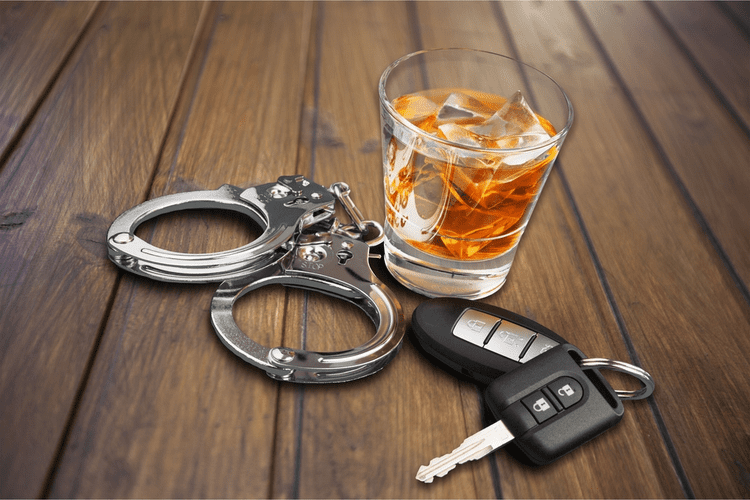
These outbursts can range from yelling and threats to physical fights or worse. Besides dulling pain, Alcohol also lowers inhibitions and impairs decision-making. That combination makes it harder to regulate emotions or respond calmly to stress. One of the most crucial aspects of recovery is learning to distinguish between anger and rage. While anger is a normal human emotion, rage is its destructive cousin that often leads to regrettable actions.

Find Alcohol-Free Stress Relief
- As a person breaks the cycle, therapy can be a valuable, neutral support tool for addressing the psychological causes of anger and problematic drinking.
- Its purpose is to educate, support, and empower people in their pursuit of well-being.
- Typically, anger will lead to aggression unless something happens to resolve the situation.
- Research suggests several factors may be involved, including personality, genetics, social considerations, brain chemistry, and brain changes.
If you live with someone struggling with sober anger, set clear boundaries. And don’t forget self-care — supporting someone in recovery can be emotionally draining. A qualified counselor or coach can help you identify underlying issues. They can also assist you with developing healthy strategies to work through your anger along with the coping skills to deal with anger when it surfaces. Online programs such as Ria Health provide confidential support from the comfort of your home.
Does Insurance Cover Alcohol and Anger Treatment?
The person’s intention is to self-soothe, but the impact is often to embrace a habit that if not managed and maintained, could lead to destruction. Alcohol, by nature lowers inhibition and heightens raw feelings, so drinking often heightens irritability even more fiercely. So whatever conflict or difficult feeling was happening prior to that drink, it suddenly becomes more striking and disturbing. Alcohol-related anger and aggressive behaviors increase the chance of developing common mental health conditions, including depression, anxiety, and stress. Moreover, alcohol can increase the risk of bipolar disorder, dementia, mood disorders, and schizophrenia. Understanding why alcohol makes you angry is the first step toward making positive changes.
The user becomes obsessed with the substance or behavior despite adverse consequences, and may deny the existence of a problem. Alcohol tends to lower inhibitions and increase impulsivity, but it also impairs the frontal lobe and prefrontal alcohol and anger cortex. These are the parts of the brain that control higher-level cognitive processes like planning, reasoning, and problem-solving.